


Summary: Growth and Apollo brought the GTM Roundtable to Cambridge, MA — the first East Coast stop in what's becoming a national conversation series. This recap unpacks what the room revealed about where go-to-market is heading, why execution still beats strategy, and why Boston turned out to be exactly the right room to ask.
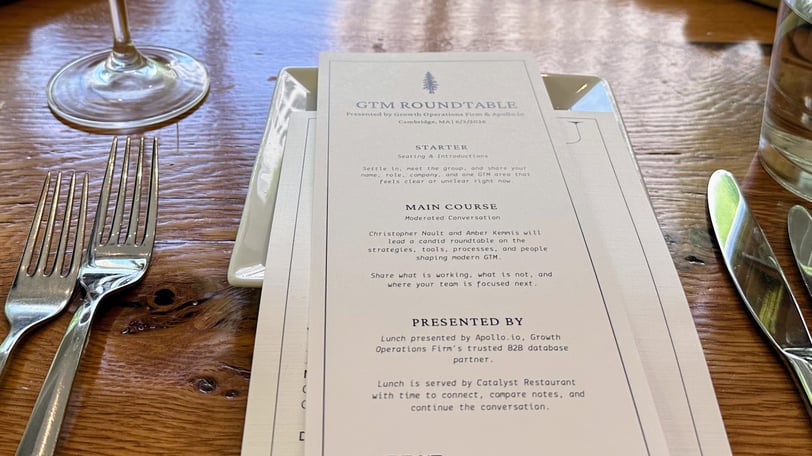
The trip to Boston started with an invitation.
HubSpot brought Growth to Cambridge as part of their Elite Partner Summit — a gathering of strategic partners for a preview of what's coming next for HubSpot's platform and partner ecosystem.
It was a full-circle moment. And when you're already in the backyard of one of the most influential GTM platforms in the world, it made perfect sense to extend the conversation.
So we did.
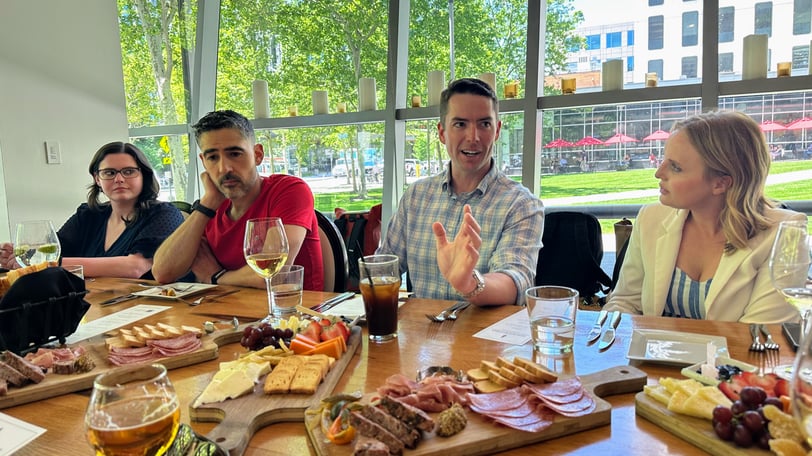
That is how the Growth x Apollo GTM Roundtable came to Cambridge — the first East Coast stop of a series that launched in San Francisco and is now finding its footing as something bigger than a one-city conversation.
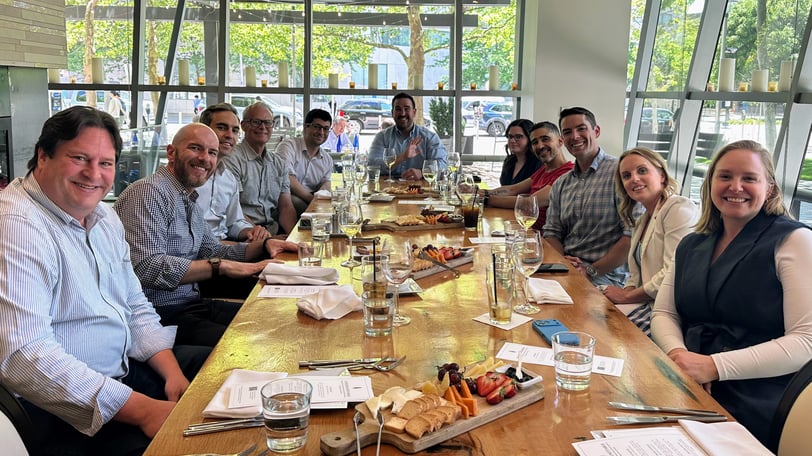
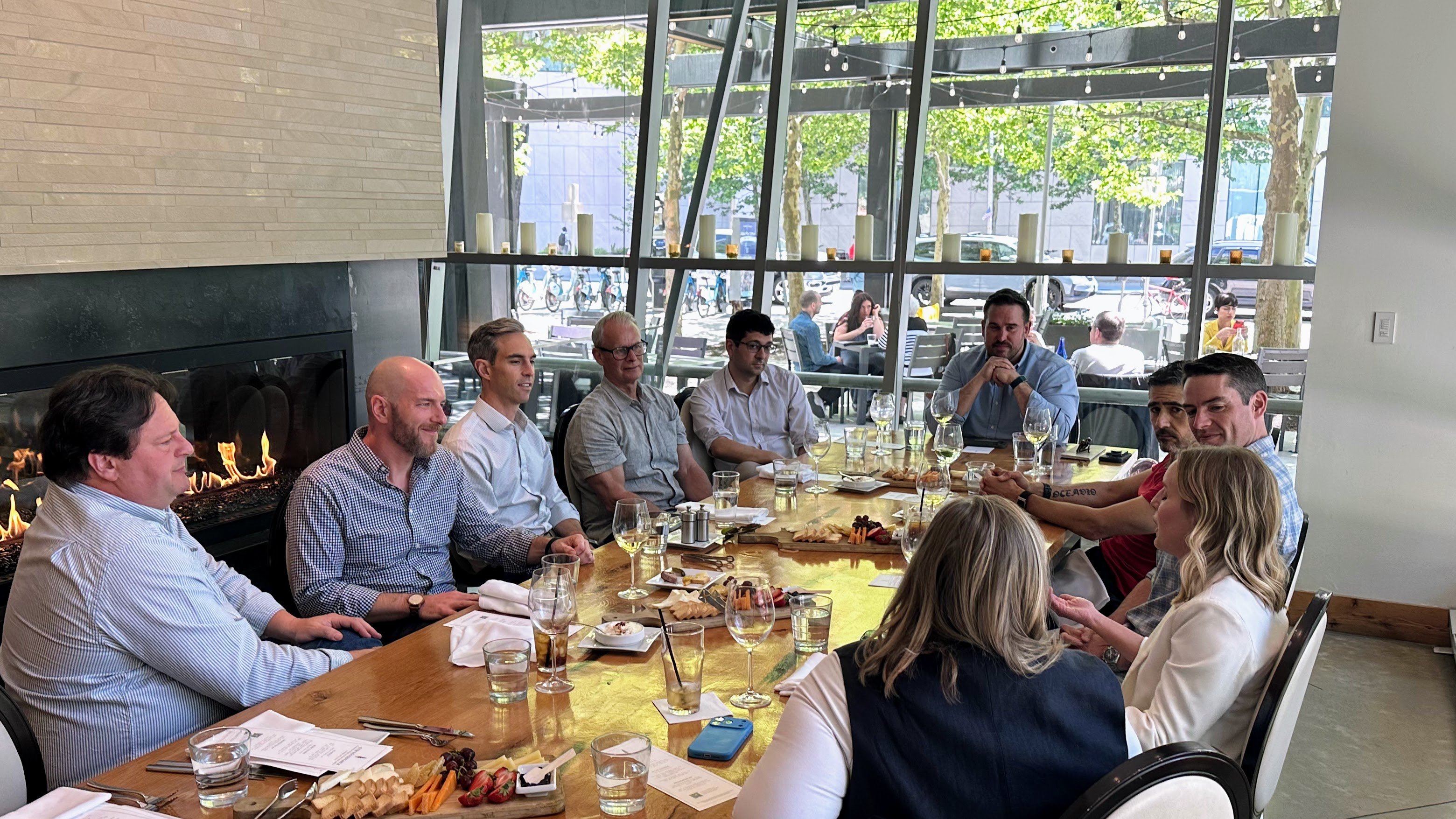
We brought together a select group of senior revenue, sales, and marketing leaders from the Greater Boston area alongside members of the Growth team — including our CEO Christopher Nault and Director of Revenue Amber Kemmis — for the same conversation we've been having across the country:
What's actually working in go-to-market right now?
No agenda to defend. No product to sell. Just a table of people willing to be honest about where things actually stand.
A Room With High Standards — and High Candor
Boston operators are not easy to impress. The region runs deep on technical talent, institutional knowledge, and a strong preference for substance over style. Walk in with a deck and a pitch and you will lose the room fast.
We did not do that.
Instead, we came with questions:
- Where is your GTM motion breaking down right now?
- How are your teams actually using tools like HubSpot and Apollo day-to-day?
- Where does integration and adoption fall apart in practice?
- What does alignment between sales and marketing look like on your best days — and your worst?
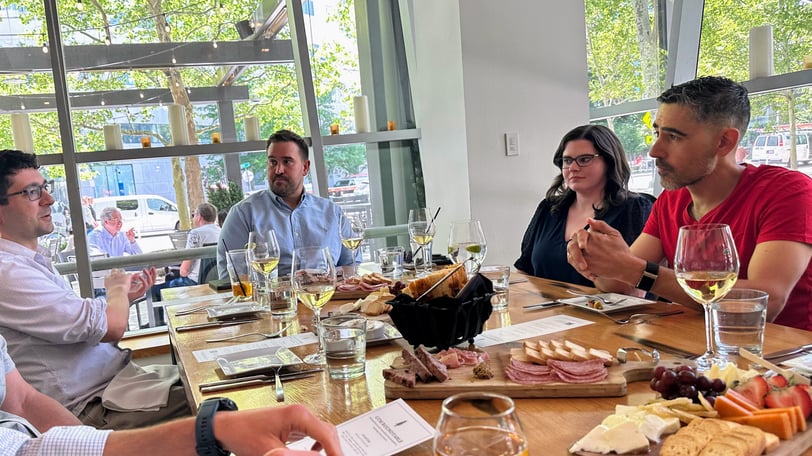
The answers were candid, specific, and immediately recognizable to everyone at the table. That is what made it work.
Speed Is Not the Problem. Keeping Up Is.
One thread ran through nearly every conversation: the market is not waiting.
Platform updates, AI-native workflows, shifting buyer behavior, new tools entering the stack every quarter — GTM leaders are not struggling to find options. They are struggling to make good decisions fast enough to matter.
What surprised us was where the friction actually lives. It is rarely the technology itself.
It is the gap between what a tool promises and how a real team, with real constraints, actually uses it. Adoption. Integration. Enablement. The unsexy work that determines whether a stack investment pays off or just adds noise.
That conversation — unglamorous and entirely necessary — is exactly what the roundtable is designed to surface.
The Operators Ahead of the Curve Share One Habit
Across the table, the leaders describing real traction had something in common. It was not their tech. It was their relationship with uncertainty.
They were comfortable making a call without complete information. They built feedback loops that were short enough to course-correct. They did not wait for consensus to run an experiment.
Specifically, they were:
- Treating their GTM motion as something to iterate on, not just execute against
- Aligning sales and marketing around shared pipeline definitions, not shared slide decks
- Using AI as a tool to accelerate their best reps, not replace their worst habits
- Building RevOps to serve the business, not just report on it
The teams still waiting for the "right" moment or the "right" stack are falling further behind. The ones moving are imperfect and winning.
What Chris Said Afterward
Christopher Nault was direct about his expectations going in:
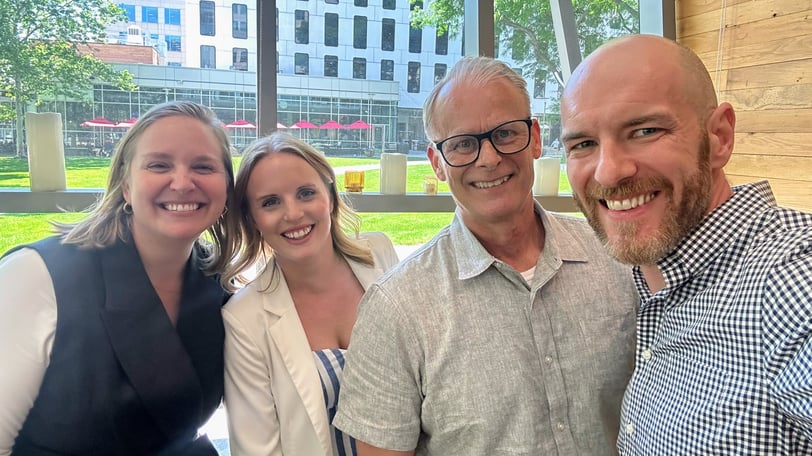
"I was a bit intimidated, bringing an event rooted in the California experience to Boston. But we couldn't have curated a better group. Such a wonderful meal with great people."
That tension — the uncertainty of whether a format built in one city will land in another — is something anyone who has tried to build a recurring event series will recognize. The first room in a new market is always a leap.
Cambridge stuck the landing.
Why the GTM Roundtable Format Keeps Working
Closed-door roundtables succeed or fail on one thing: whether people feel safe enough to say what is actually true.
That requires curation. It requires trust built before the room is ever filled. And it requires a commitment from the hosts to never turn the conversation into a pitch.
Growth and Apollo have been deliberate about all three. The result is a room where operators share what is not working just as freely as what is. That kind of honesty is hard to manufacture — and very hard to replicate in a conference hall.
The Reason Growth Puts On Gatherings Like This
Growth is not a software vendor. We are not neutral observers.
We are in the room because this is the work — helping B2B organizations connect their tools, align their teams, and build GTM motions that hold up under pressure. HubSpot invited us to Cambridge to talk about the future of the platform. The roundtable let us talk about the reality on the ground. Both conversations made us better.
The Road Continues
Orlando and Austin are already being planned. More cities are coming.
Each one starts the same way: find the right people, earn their trust, give them a reason to be honest.
"If Amber and I are going to be at the same place at the same time, you know we are going to take advantage and talk to people in the weeds of their own organization growth. I couldn't have curated a better group."
— Christopher Nault, CEO, Growth
If you are a revenue or GTM leader navigating the same terrain, these rooms are being built for you.
Where should we go next?